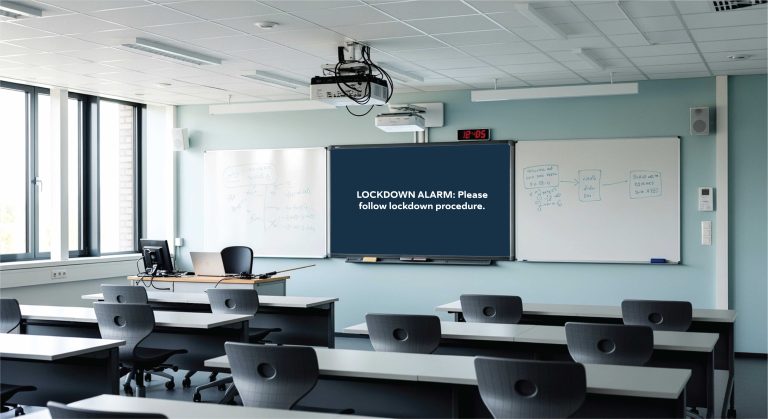
The introduction of Martyn’s Law, also known as the Protect Duty, will place greater emphasis on how organisations prepare for security incidents. While the legislation mainly focuses on publicly accessible venues, many schools, colleges, and educational environments are reviewing their safety procedures to ensure they are ready to respond effectively to emergency situations.
For schools, preparation does not necessarily mean installing complex security infrastructure. In many cases, it means having clear procedures, trained staff, and reliable ways to communicate instructions quickly across the entire site. When an incident occurs, the ability to deliver clear guidance within seconds can make a significant difference.
As the UK moves closer to implementing Martyn’s Law, schools should begin reviewing their existing safety plans and considering how they would respond to different emergency scenarios.
Martyn’s Law was proposed following the Manchester Arena attack in 2017, which highlighted the importance of preparedness in publicly accessible spaces. The legislation is named after Martyn Hett, one of the victims, and aims to ensure organisations consider the risk of terrorist incidents and have appropriate plans in place.
The goal of the Protect Duty is not to create unnecessary complexity, but to encourage organisations to think about security in a structured way. This includes assessing potential risks, planning how staff should respond to incidents, and ensuring communication systems are capable of delivering clear instructions during an emergency.
Although schools already operate under strong safeguarding frameworks, Martyn’s Law encourages institutions to take a closer look at how they would handle security threats such as lockdown situations.
Schools are responsible for the safety of both staff and students, and preparation plays a crucial role in ensuring calm and effective responses during unexpected events. While fire drills are common and well practiced, lockdown procedures are often less familiar to staff and students.
Preparing now allows schools to review procedures before legislation fully comes into force. It also provides an opportunity to ensure that emergency responses are clearly documented, understood by staff, and tested through drills.
Taking proactive steps today helps schools strengthen their duty of care while creating a safer learning environment.

During any emergency situation, communication becomes one of the most critical factors. If instructions are unclear or delayed, confusion can spread quickly throughout a building.
In many schools, communication during incidents may rely on emails, messaging apps, or verbal instructions passed from person to person. These methods can be slow and unreliable when immediate action is required.
Effective emergency communication systems ensure that everyone on site receives the same instruction at the same time. This might include a lockdown alert telling staff to secure classrooms, keep students inside, and wait for further instructions.
Delivering these messages instantly helps reduce panic and ensures a coordinated response across the school.
Schools should also clearly define the different types of emergency procedures they may need to use. Each situation requires a different response, and staff should understand the purpose of each procedure.
A lockdown procedure is typically used when a threat is inside or near the building. In this situation, classrooms may need to be secured and students kept inside until the threat is resolved.
An invacuation procedure is used when there is a danger outside the school grounds, requiring everyone to move indoors quickly.
Evacuation procedures are already familiar to most schools and are usually practiced through fire drills.
Ensuring these procedures are clearly documented and understood helps staff react quickly and confidently during an incident.
Technology alone cannot ensure safety. Staff awareness and training are equally important.
Teachers and administrative staff should understand how emergency alerts are triggered, what instructions they need to follow, and how to manage students during an incident. Training helps reduce uncertainty and ensures that responses are consistent across the school.
Regular drills and scenario planning can also help staff become familiar with procedures, making it easier to act quickly if a real situation occurs.
Many schools are now exploring technology that helps deliver emergency instructions quickly across their buildings.
Internal alert systems allow authorised staff members to trigger alerts that appear instantly on classroom computers, staff devices, or digital displays. These alerts can provide clear instructions such as initiating a lockdown or moving students indoors.
By delivering the same message to everyone at the same time, these systems help ensure a coordinated response across the entire school site.
Technology does not replace procedures or training, but it can significantly improve how quickly instructions are communicated.
Schools preparing for Martyn’s Law can begin with simple and practical actions. Reviewing existing safety policies is a good starting point, followed by ensuring lockdown and invacuation procedures are clearly defined.
Staff should be familiar with emergency procedures, and communication methods should be tested to ensure messages can reach everyone quickly.
Some schools may also consider implementing internal alert systems that allow authorised staff to trigger emergency instructions instantly.
By taking these steps now, schools can strengthen their preparedness and ensure they are ready to respond effectively if an emergency occurs.
ou can explore how PopAlert helps schools deliver instant emergency alerts</a> across classrooms and staff devices.
Martyn’s Law highlights the importance of planning and preparedness across many types of organisations. For schools, the focus should remain on creating clear procedures, improving staff awareness, and ensuring reliable communication during incidents.
Preparing early not only helps schools align with future legislation but also reinforces their commitment to protecting students and staff.
As schools continue to review their safety strategies, effective communication and well-defined procedures will remain at the heart of any successful emergency response plan.